
01 - September 2026
About Palestinian Magical Realism
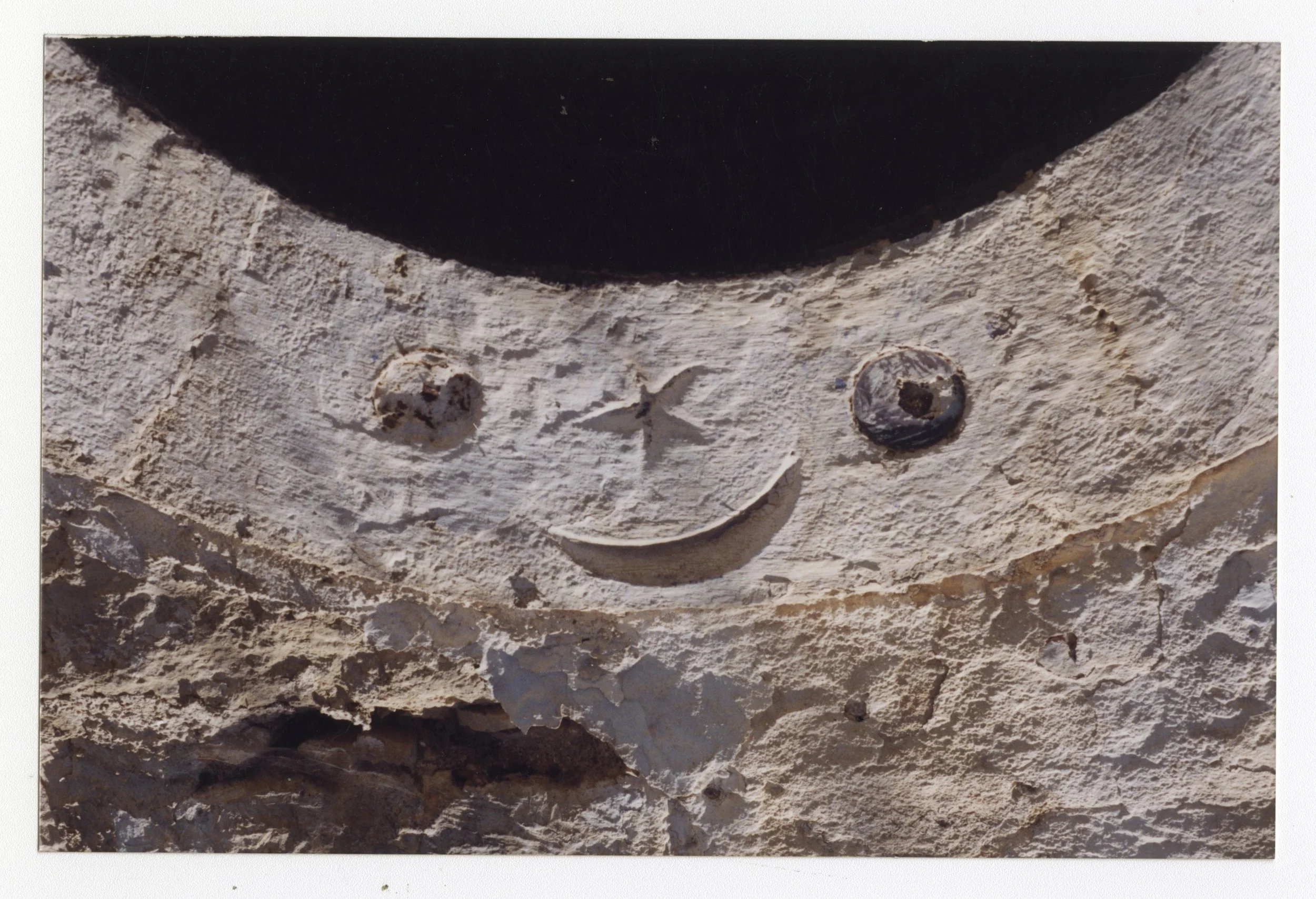
The Palestinian Museum Digital Archive
This month, CENSORED explores Palestinian magical realism and the worlds it brings to life between memory, land, history, and imagination. From literature to visual art, from folk tales to contemporary narratives, this dossier looks at what emerges in the spaces between reality and imagination: ghosts, memories, stories passed down through generations, and the imaginaries that endure. Developed with Palestinian writer and cultural worker Sanabel Abdel Rahman.
Sanabel Abdel Rahman« Palestinian magical realism illuminated a way that did not escape the heaviness of reality but piercingly acknowledged it while offering ways to challenge it. »
Articles
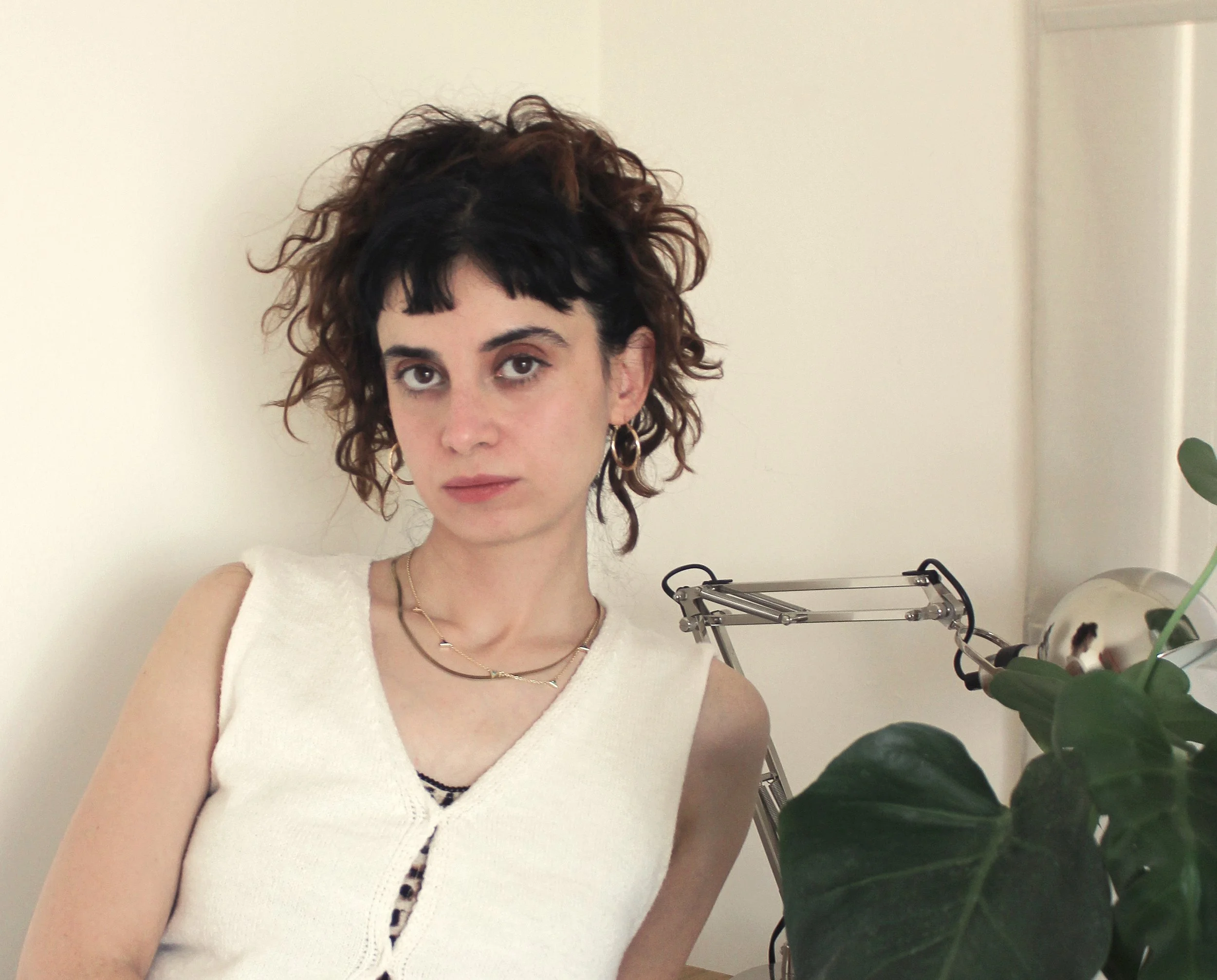
CONVERSATION WITH SANABEL ABDEL RAHMAN : PALESTINIAN MAGICAL REALISM AND THE POLITICS OF IMAGINATION
Palestinian writer and cultural worker Sanabel Abdel Rahman shares her research:
“I thought to myself that there must be something more. More than ‘realism’ more than ‘trauma’, more than the crushing weight that Palestinians endure and convey in their literature. I wanted to look beyond the traveling pain that Palestinians are inflicted with without dismissing it.”
READING ROOM
READ NOW
Inside Sanabel Abdel Rahman’s cultural landscape: books, ideas, tools, and other references that shape the way she thinks and sees the world.
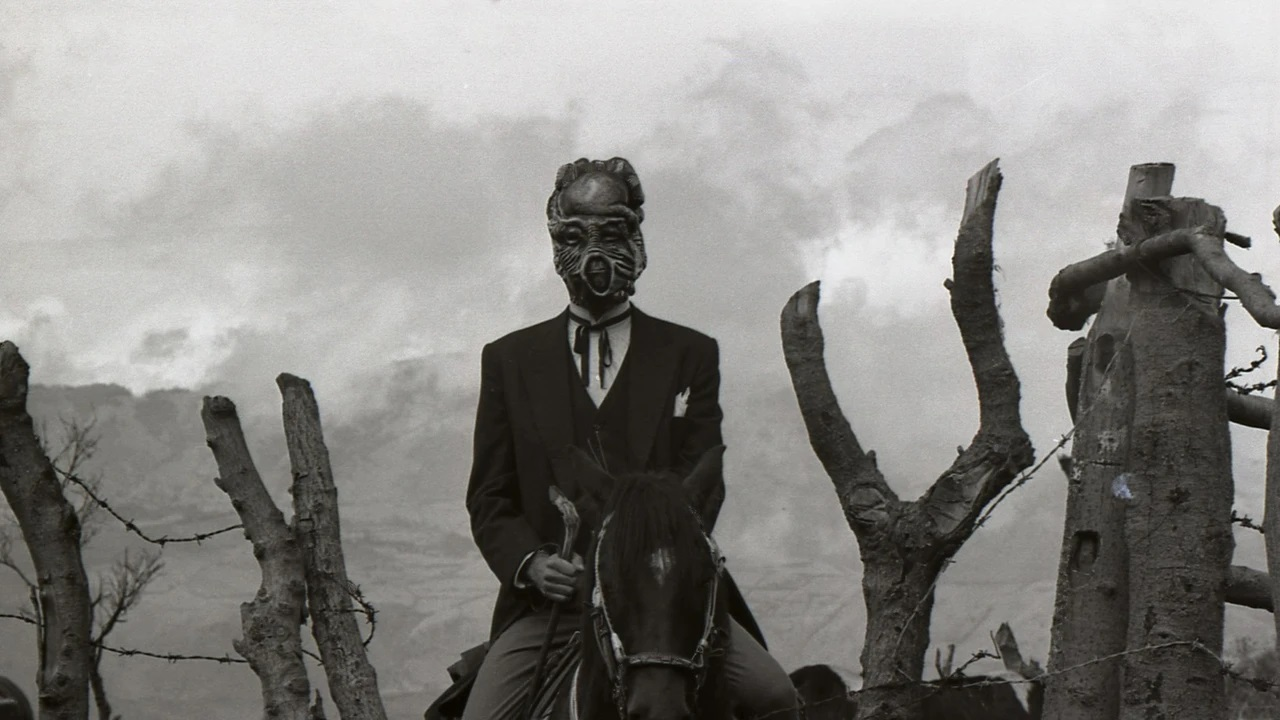
FOOTNOTE
THE GHOSTS THAT NEVER LEFT: TO UNDERSTAND MAGICAL REALISM, WE NEED TO LOOK AT COLONIAL VIOLENCE.
READ NOW
From the ghosts of Latin American literature to Palestine’s “present absentees,” magical realism tells what official history seeks to erase. This essay traces the term’s shifting meanings to explore the relationship between reality, colonial violence, memory and power, and what it means to speak of “magical realism” today. By Isabella Utria Mago.
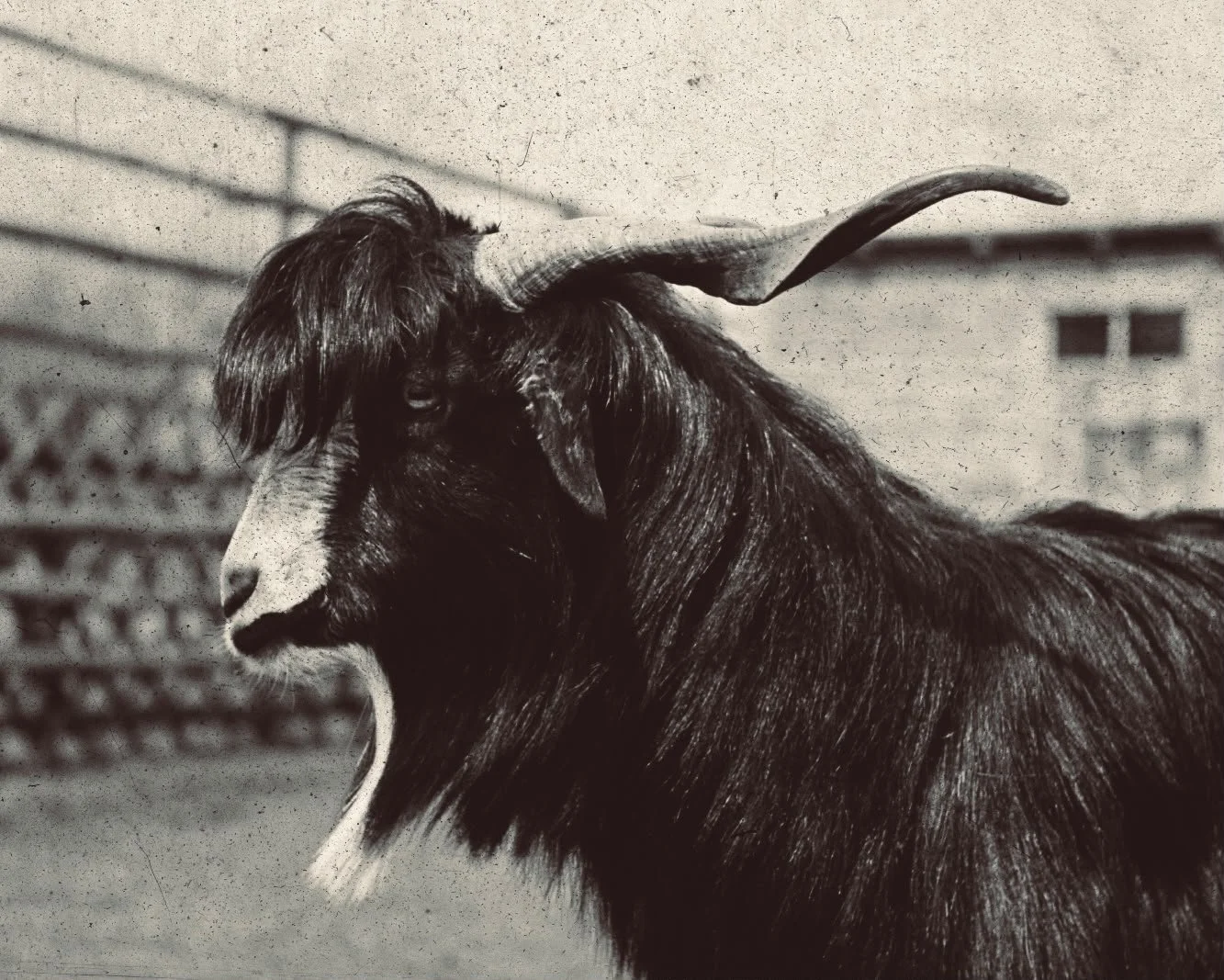
WEB-WEAVING
READ NOW
Each dossier leaves behind threads to follow, references, images, or stories only briefly glimpsed. Web-Weaving returns to these threads left at the margins. To close our dossier on magical realism, we followed two of them: the Palestinian black goat, which became a figure of resistance, and the key, a symbol of a return still awaited.
New Sections
-
Interviews with people whose research, ideas, or experiences shed light on the themes explored by CENSORED.
-
A selection of references recommended by the interviewee to extend the conversation through books, texts, films, images, and other resources.
-
Visual essays that start from an image to explore what it tells, what it makes visible, and the cultural narratives it carries.
-
Texts, images, archives, and other finds unearthed in the depths of the internet or elsewhere, brought back into circulation.
-
Web-Weaving brings together the CENSORED team’s research for each dossier: references, links, archives, podcasts, articles and other discoveries. A way to make our research process visible.
-
Because ideas should not stop at the borders of language, CENSORED translates and republishes articles from a feminist, queer, or independent media outlet somewhere in the world.
-
Unexpected stories, overlooked connections and little-known histories from the worlds of culture, art and ideas.
We’ve conceived the new sections as a toolbox: each month, we select the formats best suited to exploring the theme from different perspectives. Here’s an introduction to each of them.
CENSORED Membership
5,00 €
Monthly
Each month, we bring together conversations, essays, images, archives and references, weaving them into a web of connections.
Club SoutienCENSORED Membership
15,00 €
Monthly
For those who are able and willing to provide additional support, to ensure its independence and long‑term viability.
CENSORED x Musique Journal Subscription
9,00 €
Monthly
A shared subscription between Musique Journal (FR) and CENSORED, providing access to online articles and the archives section.
The answers to your questions-
CENSORED is an independent media platform dedicated to art, culture, and feminist and queer ideas. Each month, we explore a theme through a dossier that brings together conversations, articles, artworks, archives, and references.
-
The sections are not fixed: they are chosen according to each theme and what it calls for. Conversations, articles, archives, images, references, and discoveries can take different forms from one dossier to the next. The aim is to create connections between the contents rather than fit them into a predefined framework.
-
A subscription gives you access to all of CENSORED Online’s monthly thematic dossiers, in both French and English.
-
Subscriptions are flexible and can be cancelled at any time through your account. You’ll keep access until the end of your current billing cycle.
-
Media is never truly free: it is often funded by advertising, which turns our attention into value, by data collection and the use of advertising cookies, or by the unpaid labor of the people who make it possible. Yet editorial work takes care: researching, reading, investigating, writing, translating, editing, fact-checking. When this work is unpaid and time is limited, quality is what suffers.
Just as we pay for a book or a cinema ticket, subscribing to a media outlet means recognizing the value of writing, research, editing, and all the people who make it possible. CENSORED chooses not to rely on advertising or external funding. If you want CENSORED to continue to exist, subscribing is the most direct way to support us.
-
€5/month is the minimum price for quality, regular, and accessible content. €15/month is our supporter rate. Both subscriptions give access to exactly the same content. The €15 rate simply allows those who can afford to contribute more to support CENSORED and help keep it accessible to everyone.
Our Merch
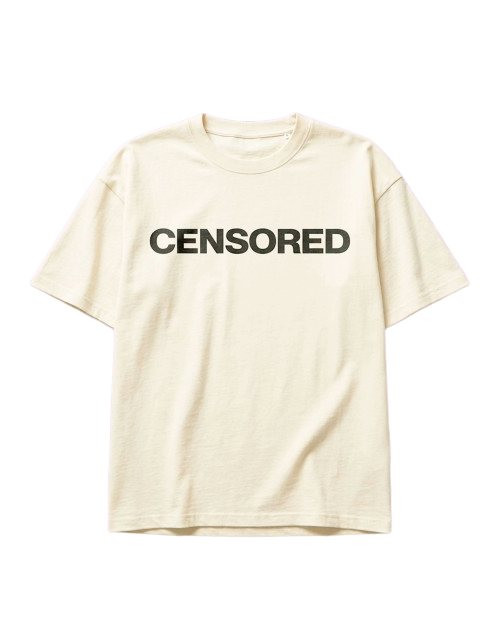
CENSORED cream T-shirt with black logo – Unisex, made from organic cotton
30,00 €
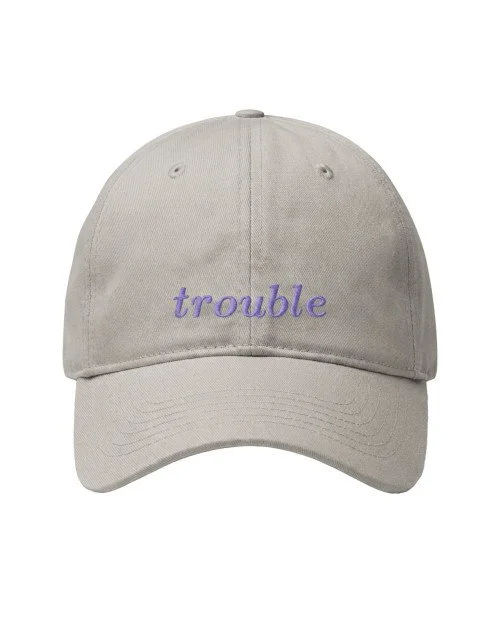
Organic cotton ‘trouble’ cap – Cream colour with pastel purple embroidery
35,00 €
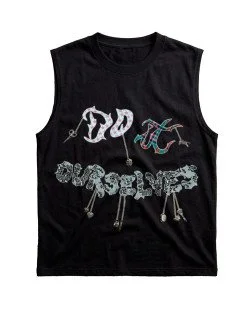
Black ‘DO IT OURSELVES’ tank top – Unisex, made from organic cotton
35,00 €